





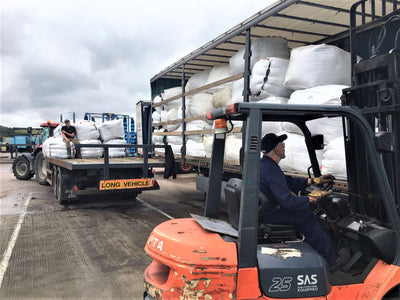

I was contacted out of the blue – did I want 8 pallets of goods made of rubber?
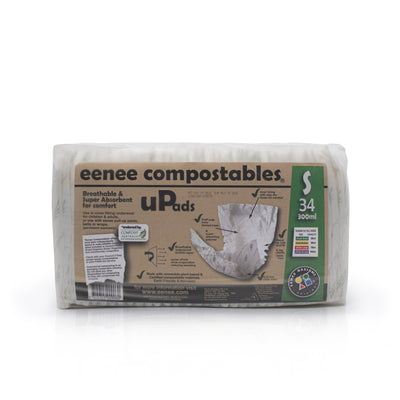
SAY NO the sensible bit of me said. SAY NO. REMEMBER YOU HAVE PALLETS OF NAPPIES IN THE WAREHOUSE AND SAY NO!
“Um. Maybe”, I said. “Tell me a bit more about them”.
Dr. Martin Kunz is a difficult man to say "no" to. He has spent his life travelling to far-flung places, making connections with small scale producers who manufacture sustainably, and linking them with resellers who can pay for the goods directly, so the manufacturers get a fair price for their goods, and customers get to purchase sustainable products at a more reasonable price. All too often, there is a chain of merchants so the ones at the end get a small price for their goods, and the ones at the other end pay a premium for certified fairtrade sustainably made products.
Several decades ago he was instrumental in setting up the Fair-Trade rubber association. As he saw it, it should not just be foods that are traded fairly, but other goods that are farmed and made into products for our use.
Martin's background is fascinating, and I'll tell you a bit about it. It explains why the goods we're now stocking are the real deal, and not just another "eco" product sourced on Alibaba.
At 19, Martin volunteered for community service abroad and was sent to (what was then called) Calcutta, to work in a 'home for the dying destitutes' that Mother Teresa had set up. He got dengue fever. He also, characteristically, asked a lot of uncomfortable questions – including why the Order's vow of poverty meant that patients who could have been treated and healed instead got some minumum care – and ended up on the streets again. It was the start of a lifetime of looking closely, asking questions, and refusing to accept that things couldn't be done better.
He came back from India in 1976 with one central conviction: if work is paid fairly, there is a way out of poverty. He threw himself into the nascent Fair-Trade movement, helped build one of Germany's first world shops, and wrote his doctorate on the subject – the first ever dissertation on Fair Trade. He went on to become founding managing director of the Transfair/Fairtrade logo initiatives, helped set up national Fairtrade structures from the USA to Japan, and lobbied for fair trade at the World Trade Organization in Geneva.
But over time, he became increasingly uneasy. Fair trade products were everywhere – but the licence fees flowing into Fairtrade organisations were beginning to dwarf the actual premiums reaching producers. Special rules were being carved out for large customers. Audit costs were rising. Long-term projects – like the supplementary pension scheme he'd helped develop for tea workers in southern India, later replicated for rubber tappers – were being squeezed out in favour of short-term premium payments. As he put it: "If the income of the Fairtrade organisations through licence fees exceeds the Fairtrade premium which goes to the producers many times over, then there's not much fair trade left."
So he did what Martin Kunz does. He went back to basics, and together with friends founded Fair Rubber e.V.
The idea had come to him while thinking about footballs – specifically, that a size 5 football contains about 250 grams of natural latex, and that if fair trade was going to mean anything for rubber tappers and small farmers, everyone processing natural latex ought to be able to buy under fair trade conditions. Not just the big certified brands. Everyone. Today the Fair Rubber association works directly with rubber plantations – in Indonesia, Sri Lanka, India, Thailand, and Vietnam – ensuring that workers receive a fair premium on top of their wages, with the workers themselves deciding collectively how that premium is spent. Pension schemes, healthcare, water projects. Real, lasting improvements behind the logo on the label.
Which is a very long way of explaining why I said yes to an eclectic collection of 8 pallets of Fair-Trade rubber goods in February, and why three pallets of rubber seed trays arrived from from Sri Lanka this week.

These rubber seed trays are made from natural rubber. They're sturdy, flexible, and will last for years in the garden. They're plastic-free, which helps a lot if you're trying to reduce the amount of single-use plastic drifting around your allotment or greenhouse. Plastic seed trays are one of those things that seem minor but add up – most of them crack after a season or two and end up in landfill. These won't.

These rubber seed trays and root trainers were originally selling for £25. Because we're buying directly we can offer them at £10, which makes them a much more realistic option.
Alongside the seed trays, we've also taken on a range of other rubber goods – hot water bottles, rubber gloves, pet toys, and various household items, all made under the same Fair Rubber standards. If you've ever wanted to replace a bit of everyday plastic in your home with something that's been made properly, by people who've been paid properly, this is a good place to start.
Have a look at what we've got in the shop. Help us to help the farmers to help their environment. I've committed to rubber now. Out with the nappies, in with Fair-Trade rubber.