How will frogs and toads use this frog house?
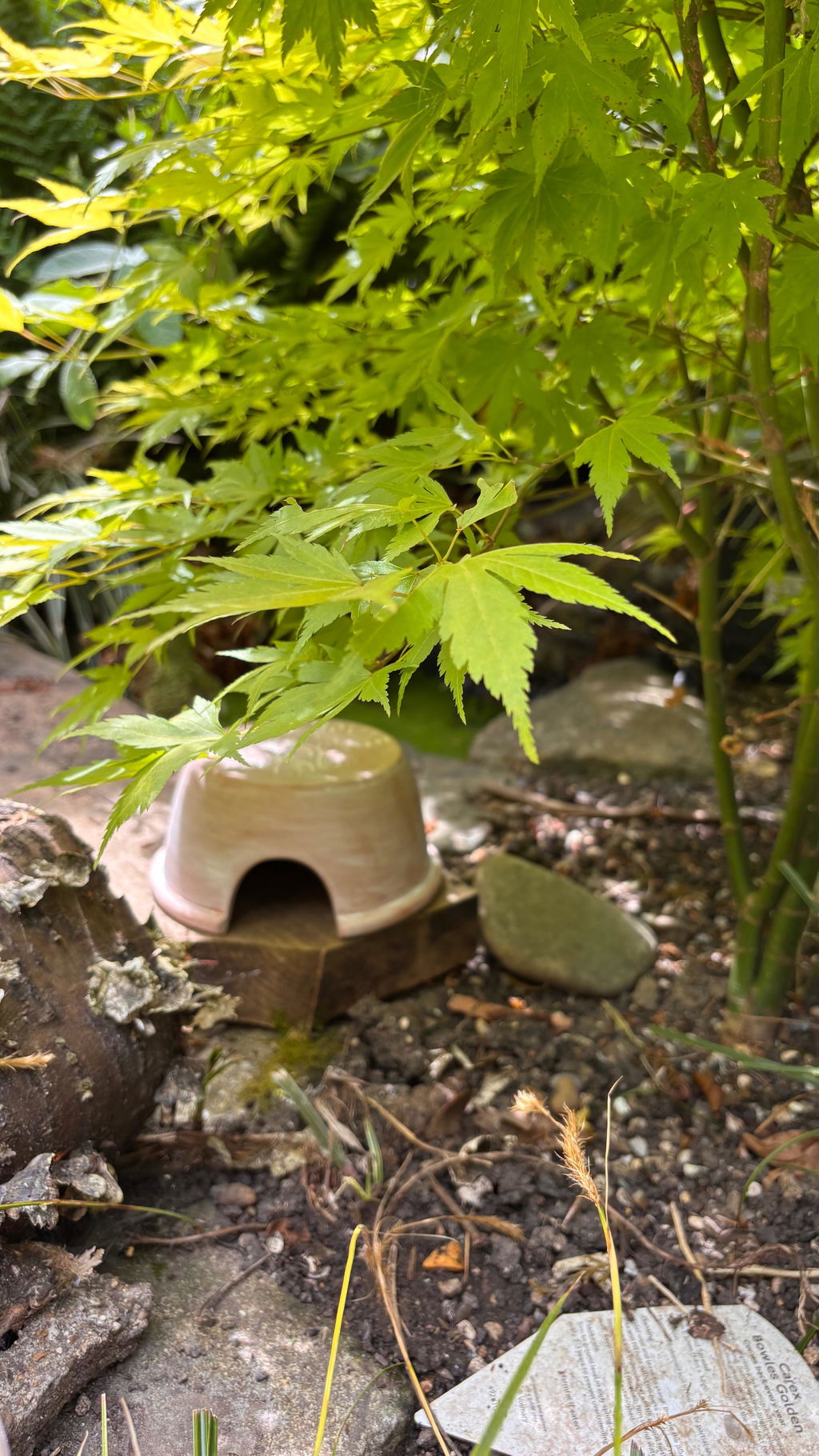
This lovely frog house will be used as a retreat by frogs, toads and other amphibians throughout the year. It provides a cool, safe space that gives protection from predators such as buzzards and domestic dogs and cats. Oh and garden tools too!
The common frog becomes active from late January, and the toad from early March through until October. During these warmer months (a UK warm of course), the open-fronted shelter helps to keep amphibians cool as it allows contact with the damp soil – they don’t cope particularly well in the baking heat!
Where should I put this frog house?
To ensure your frog house is as beneficial as possible to your local amphibian population, you want to place it near a pond or a damp area in a quiet, cool, shaded position. Once placed, you can leave it for the frogs and toads to discover!
In the winter months, to provide some extra insulation, cover the frog house in extra vegetation such as leaves and moss. We'd highly recommend doing this as the terracotta frog house isn't frost-proof for the winter months. They might hold up in some of the more mild UK winter months, but the extra insulation would still help.
Why is it important to look after our frog and toad population?
Like much of our wildlife, frog and toad populations have fallen in recent years mainly due to habitat loss. Throughout their lifecycles, frogs and toads play an important role in ecosystems and food chains. As tadpoles they eat algae, helping to regulate blooms and reducing the chances of algal contamination. As frogs, they help keep pesky bugs at bay. In fact, they act as great natural pest control in your gardens by eating up slugs! They also act as an important food source for different species of birds and fish. The disappearance of frogs can have knock-on effects throughout their wider food web.
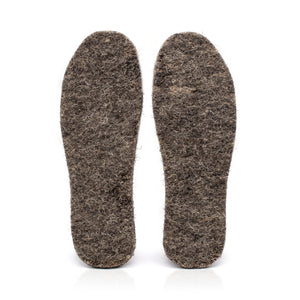
Little things like adding a pond (if you are able) in your garden, having a compost heap in something like our recycled plastic composter and the avoidance of using pesticides and slug pellets (instead use natural measures like our felt shillies and natural slug deterrent) can all help your local frog population.
For advice on other ways to help have a look at the Amphibian and Reptile Conservation Trust website.
How else can I look after my local wildlife?
With all local and garden wildlife, providing food and habitat is the best way to protect them. That can be ‘artificially’ with things like feeders and shelters, or by planting more vegetation. We do a bit of both in our Buy Land Plant Trees project which you can read about here.
How will frogs and toads use this frog house?
This lovely frog house will be used as a retreat by frogs, toads and other amphibians throughout the year. It provides a cool, safe space that gives protection from predators such as buzzards and domestic dogs and cats. Oh and garden tools too!
The common frog becomes active from late January, and the toad from early March through until October. During these warmer months (a UK warm of course), the open-fronted shelter helps to keep amphibians cool as it allows contact with the damp soil – they don’t cope particularly well in the baking heat!
Where should I put this frog house?
To ensure your frog house is as beneficial as possible to your local amphibian population, you want to place it near a pond or a damp area in a quiet, cool, shaded position. Once placed, you can leave it for the frogs and toads to discover!
In the winter months, to provide some extra insulation, cover the frog house in extra vegetation such as leaves and moss. We'd highly recommend doing this as the terracotta frog house isn't frost-proof for the winter months. They might hold up in some of the more mild UK winter months, but the extra insulation would still help.
Why is it important to look after our frog and toad population?
Like much of our wildlife, frog and toad populations have fallen in recent years mainly due to habitat loss. Throughout their lifecycles, frogs and toads play an important role in ecosystems and food chains. As tadpoles they eat algae, helping to regulate blooms and reducing the chances of algal contamination. As frogs, they help keep pesky bugs at bay. In fact, they act as great natural pest control in your gardens by eating up slugs! They also act as an important food source for different species of birds and fish. The disappearance of frogs can have knock-on effects throughout their wider food web.
Little things like adding a pond (if you are able) in your garden, having a compost heap in something like our recycled plastic composter and the avoidance of using pesticides and slug pellets (instead use natural measures like our felt shillies and natural slug deterrent) can all help your local frog population.
For advice on other ways to help have a look at the Amphibian and Reptile Conservation Trust website.
How else can I look after my local wildlife?
With all local and garden wildlife, providing food and habitat is the best way to protect them. That can be ‘artificially’ with things like feeders and shelters, or by planting more vegetation. We do a bit of both in our Buy Land Plant Trees project which you can read about here.